What Does an AC Service Consist Of? Step-by-Step Guide
Most homeowners do not think about replacing their HVAC system until something starts going wrong. One day the air conditioner struggles to cool the house, utility bills begin climbing unexpectedly, or certain rooms never seem comfortable no matter how low the thermostat is set. In many cases, homeowners delay replacement decisions because they are unsure whether repairs are still worth it or if the system is nearing the end of its lifespan.
Choosing the right
HVAC replacement company becomes extremely important once those problems start affecting comfort, energy efficiency, and indoor air quality. A replacement system is one of the largest investments many homeowners make for their property, and the quality of installation often matters just as much as the equipment itself. Understanding how HVAC replacement works can help homeowners make informed decisions that improve comfort, lower energy costs, and protect long term system performance.
What Does An HVAC Replacement Company Do?
An HVAC replacement company specializes in removing outdated heating and cooling systems and installing new equipment designed to improve comfort, airflow, energy efficiency, and overall home performance. Homeowners often contact an HVAC replacement company when their existing system experiences repeated breakdowns, rising repair costs, weak airflow, inconsistent temperatures, or declining cooling performance.
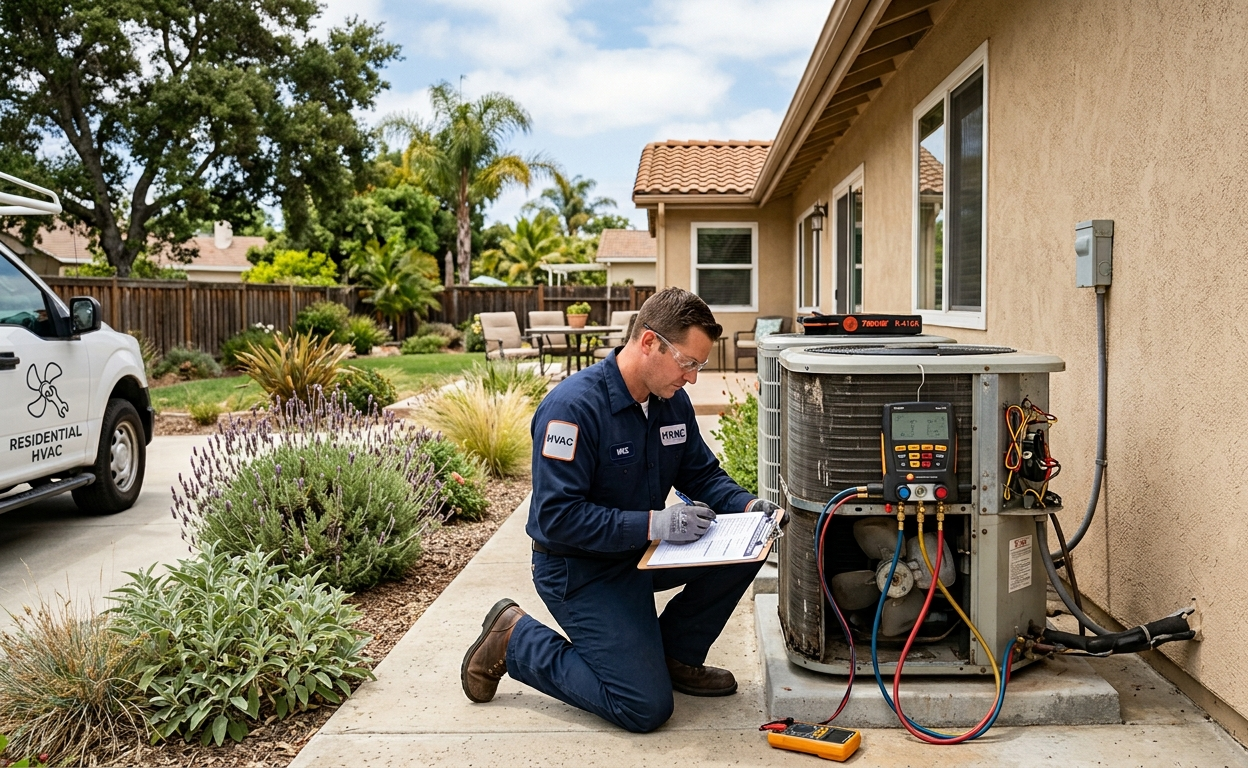
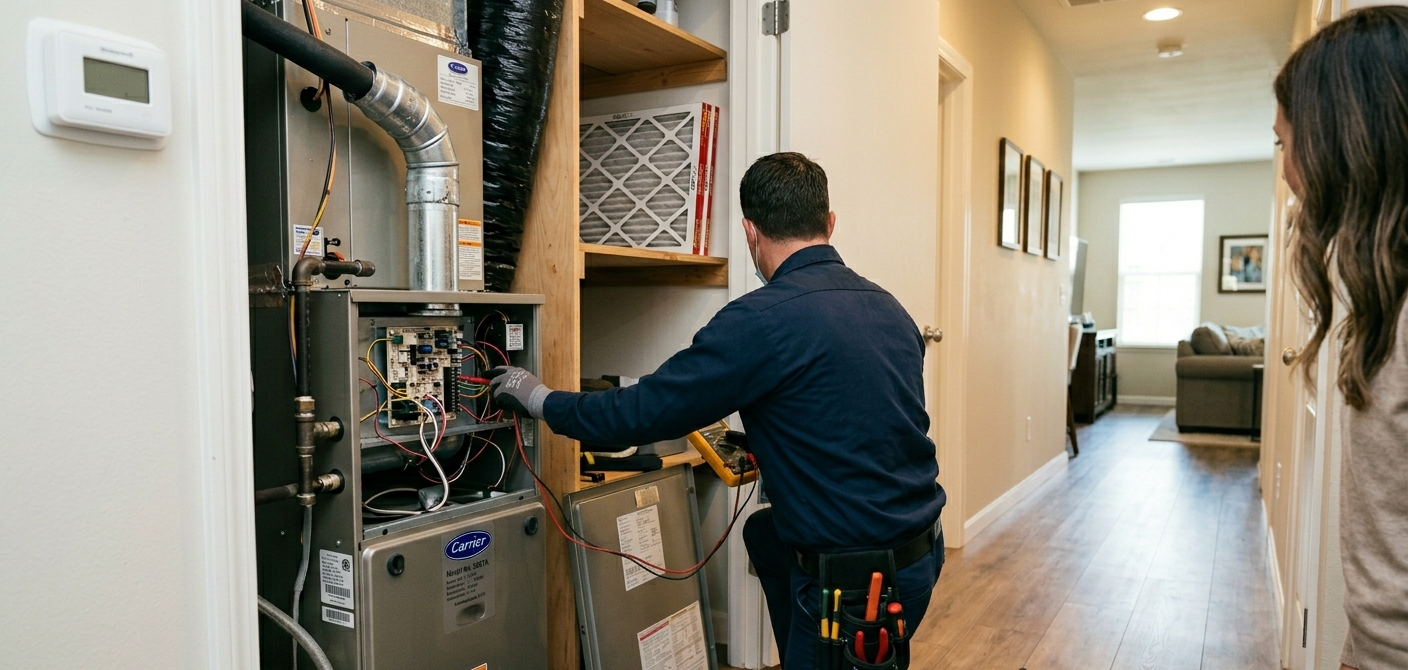
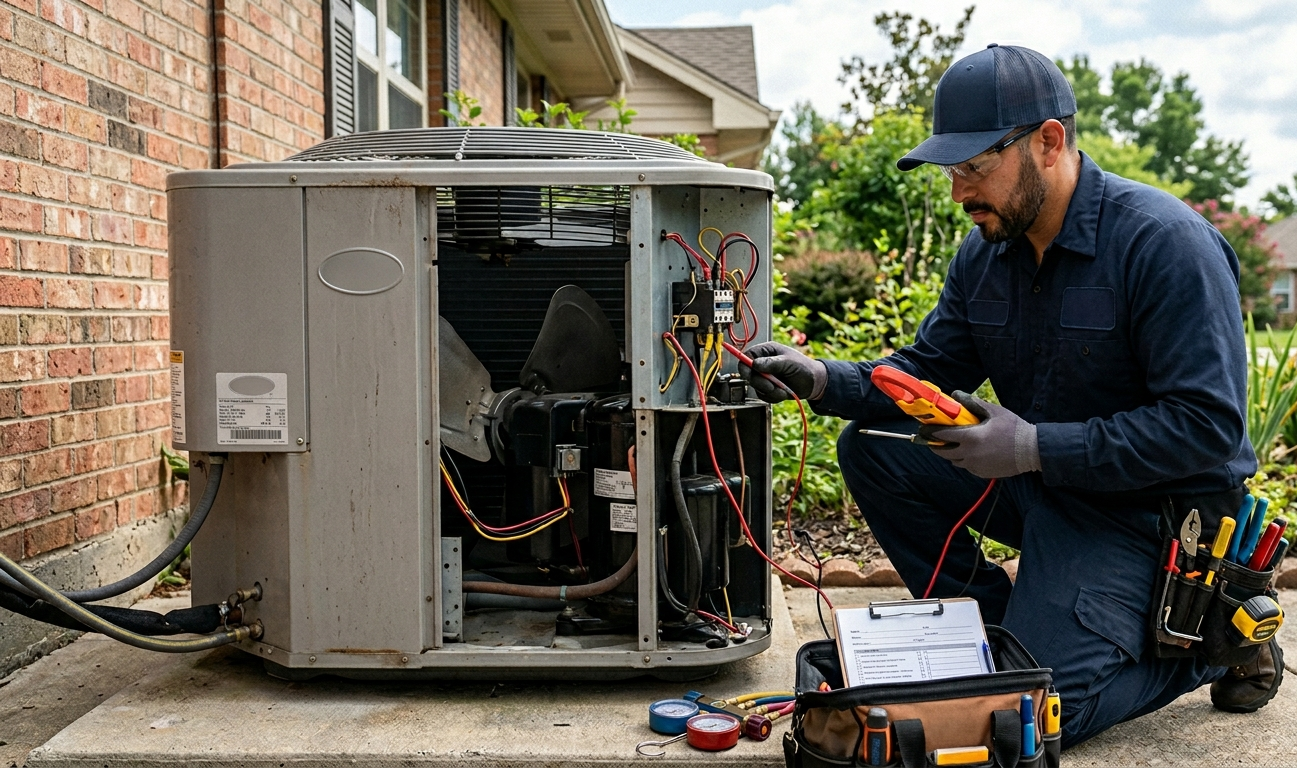
Professional replacement services usually involve evaluating the home’s square footage, ductwork condition, insulation levels, airflow requirements, and existing equipment performance before recommending a new system. A qualified HVAC replacement company should inspect both indoor and outdoor HVAC components carefully to determine whether replacement is truly necessary or if repairs remain a practical option.
Many homeowners assume replacement simply involves swapping out equipment quickly, but proper installation requires careful planning and system design. At N&C Air Conditioning & Heating, we regularly explain that an HVAC system works as an interconnected system involving airflow, duct performance, thermostat calibration, humidity control, and energy efficiency. Choosing the right HVAC replacement company helps ensure all of those factors are evaluated properly before installation begins.
How Do You Know When HVAC Replacement Is Necessary?
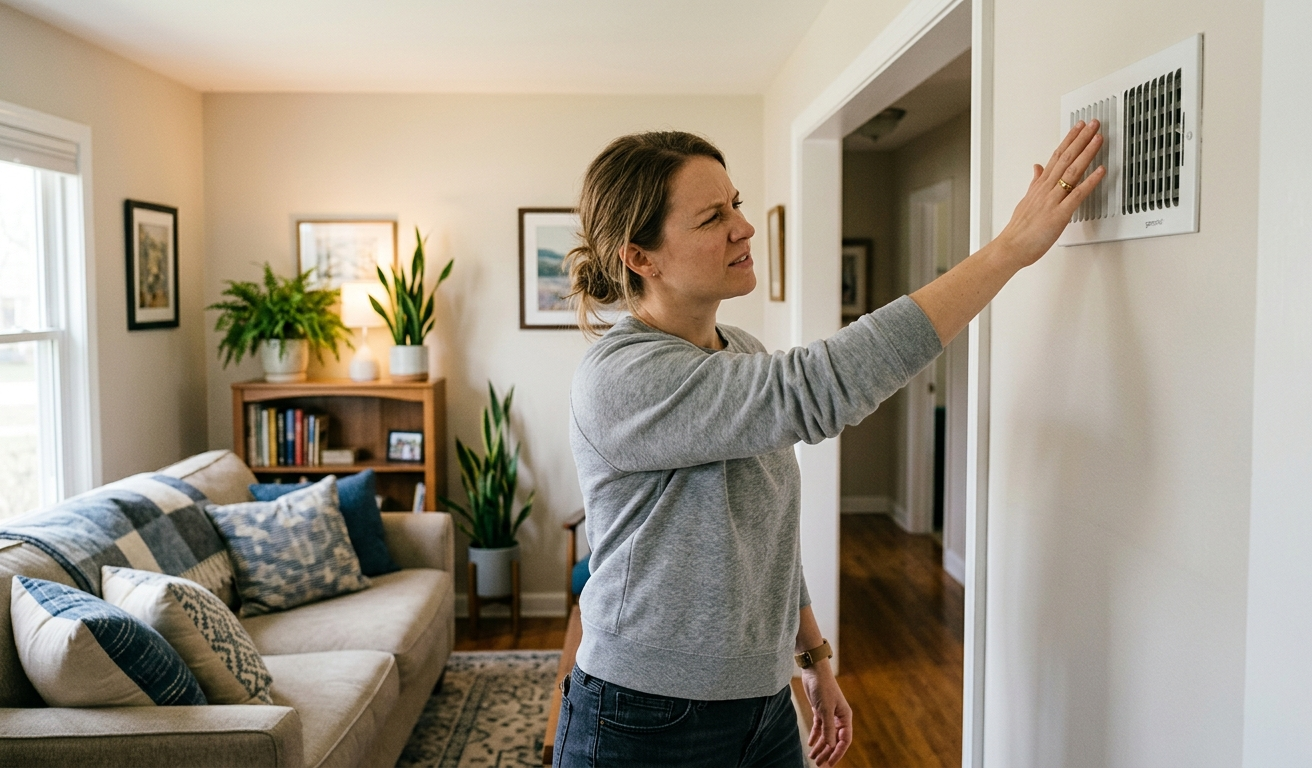
Several warning signs may indicate that replacing an HVAC system is becoming more cost effective than continuing repairs. Common indicators include rising energy bills, uneven room temperatures, weak airflow, constant repairs, excessive indoor humidity, unusual noises, refrigerant leaks, or cooling systems struggling during heavy summer demand. Homeowners often consult an HVAC replacement company after noticing their system no longer keeps the house consistently comfortable.
Older systems also tend to lose efficiency gradually over time. Even if the unit still technically runs, declining performance may force the equipment to work much harder to maintain indoor temperatures. Many homeowners contacting an HVAC replacement company are surprised to learn how much older systems contribute to rising electricity usage and reduced indoor comfort.
We recently worked with a homeowner whose air conditioner still operated but struggled badly during the hottest part of summer. Several rooms remained uncomfortable, utility bills kept increasing, and the system cycled constantly throughout the day. After evaluating the system, we discovered aging components, restricted airflow, and declining efficiency were placing enormous strain on the equipment. Once the HVAC replacement company completed a properly sized system installation, cooling performance improved dramatically and indoor comfort became far more consistent.
What Should Homeowners Ask Before Hiring An HVAC Replacement Company?
Before hiring an HVAC replacement company, homeowners should ask detailed questions about system sizing, installation procedures, warranty coverage, energy efficiency recommendations, ductwork evaluation, and long term maintenance expectations. The lowest price estimate is not always the best option because poor installation practices may reduce system lifespan and efficiency significantly.
A reliable HVAC replacement company should explain why a specific system is being recommended instead of pushing homeowners toward oversized or unnecessarily expensive equipment. Proper system sizing is critical because systems that are too large or too small may create humidity problems, inconsistent temperatures, and increased energy waste. Homeowners should also ask whether the contractor evaluates insulation levels, airflow balance, and duct conditions before recommending replacement equipment.
Clear communication is another important factor when selecting an HVAC replacement company. Homeowners deserve straightforward explanations regarding installation timelines, costs, warranty coverage, and energy efficiency expectations. At
N&C Air Conditioning & Heating, we believe homeowners should fully understand how their new HVAC system will improve comfort, airflow, and long term operating costs before making any replacement decision.
What Happens During An HVAC Replacement?
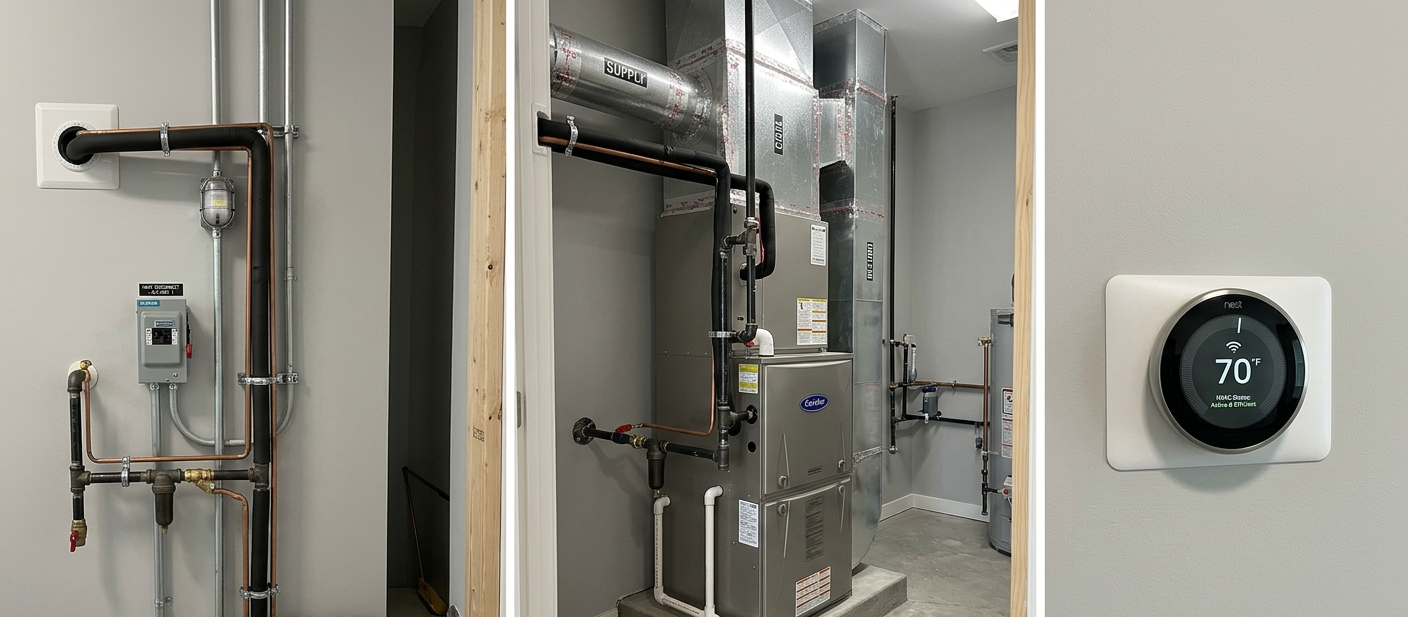
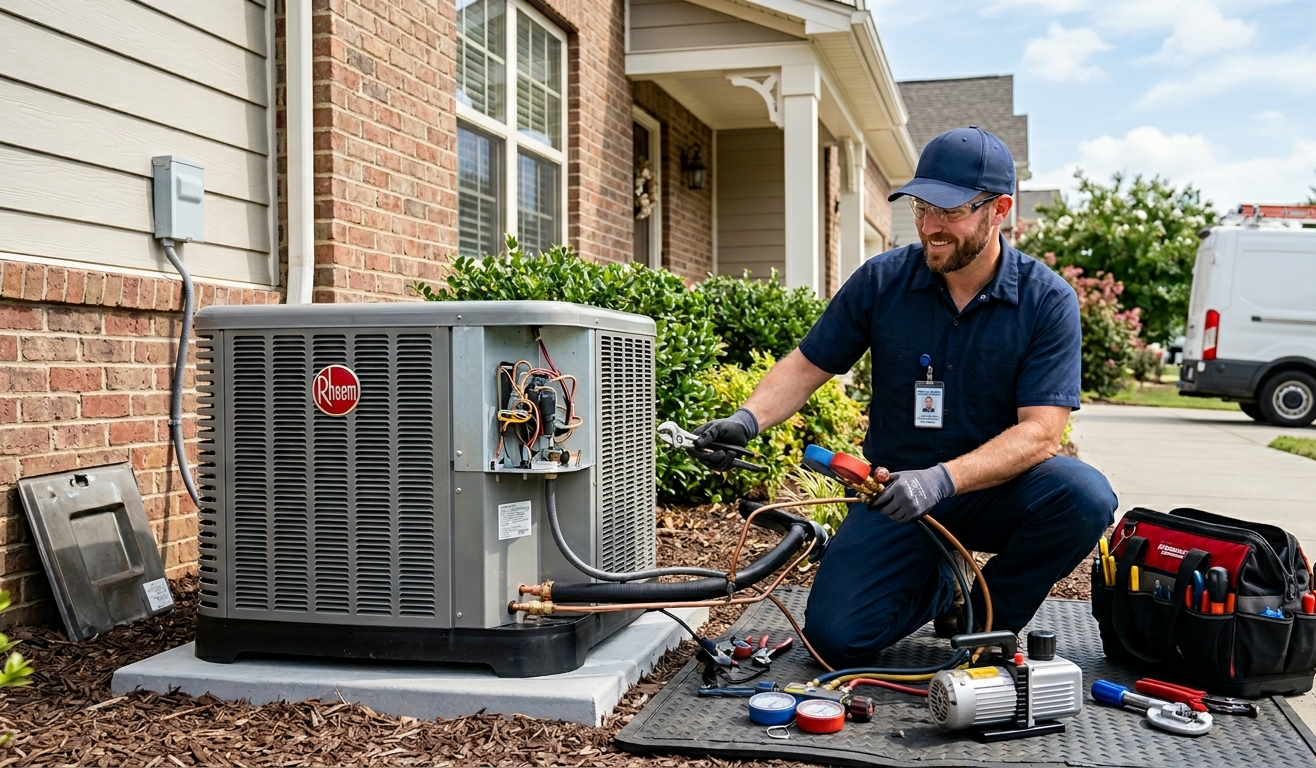
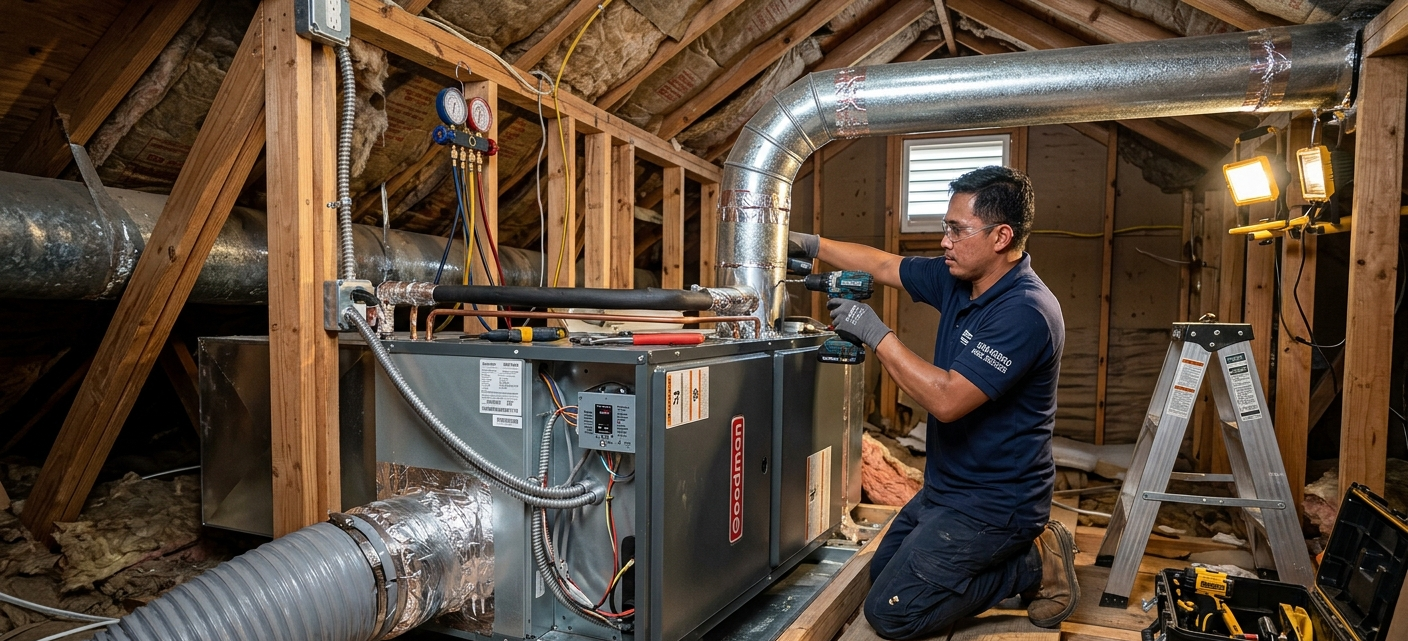
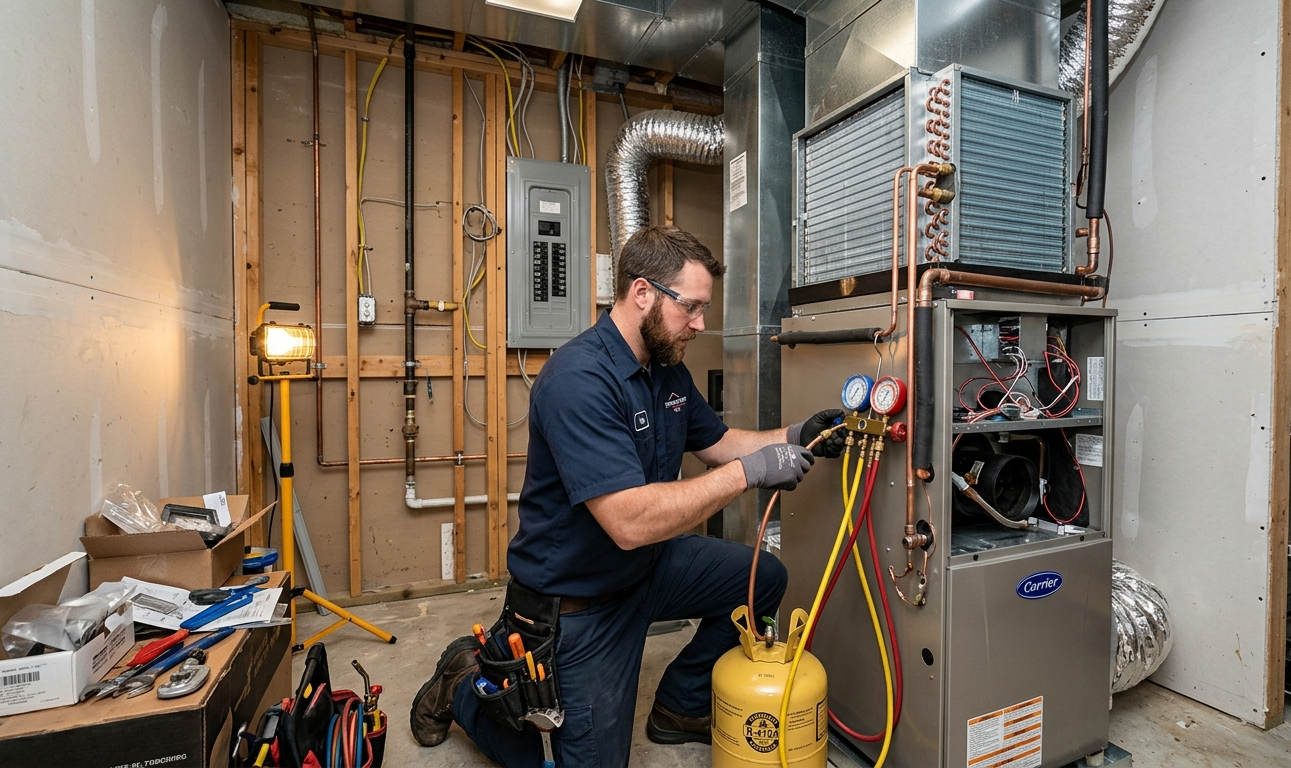
HVAC replacement usually begins with removing outdated heating and cooling equipment followed by installation of the new indoor and outdoor components. Depending on the home and system type, technicians may also inspect or modify ductwork, thermostats, electrical systems, drainage lines, and airflow components. A professional HVAC replacement company will carefully test the system after installation to confirm proper operation and airflow balance.
Installation quality plays a major role in long term system performance. Even high quality HVAC equipment may underperform if airflow problems, duct leaks, thermostat issues, or sizing concerns are not addressed during installation. Many homeowners who hire an HVAC replacement company expect immediate comfort improvements, but those results depend heavily on proper installation practices.
According to the
U.S. Department of Energy, improper HVAC installation can reduce system efficiency significantly and increase operating costs over time. Homeowners should work with an HVAC replacement company that evaluates the full home environment rather than focusing only on replacing equipment quickly.
How Long Does A New HVAC System Last?
The lifespan of a new HVAC system depends on installation quality, maintenance habits, climate conditions, and overall system workload. Many properly maintained systems last 15 to 20 years or longer, although performance may gradually decline as equipment ages. Homeowners often consult an HVAC replacement company after older systems begin to require repeated repairs or struggle to maintain consistent comfort.
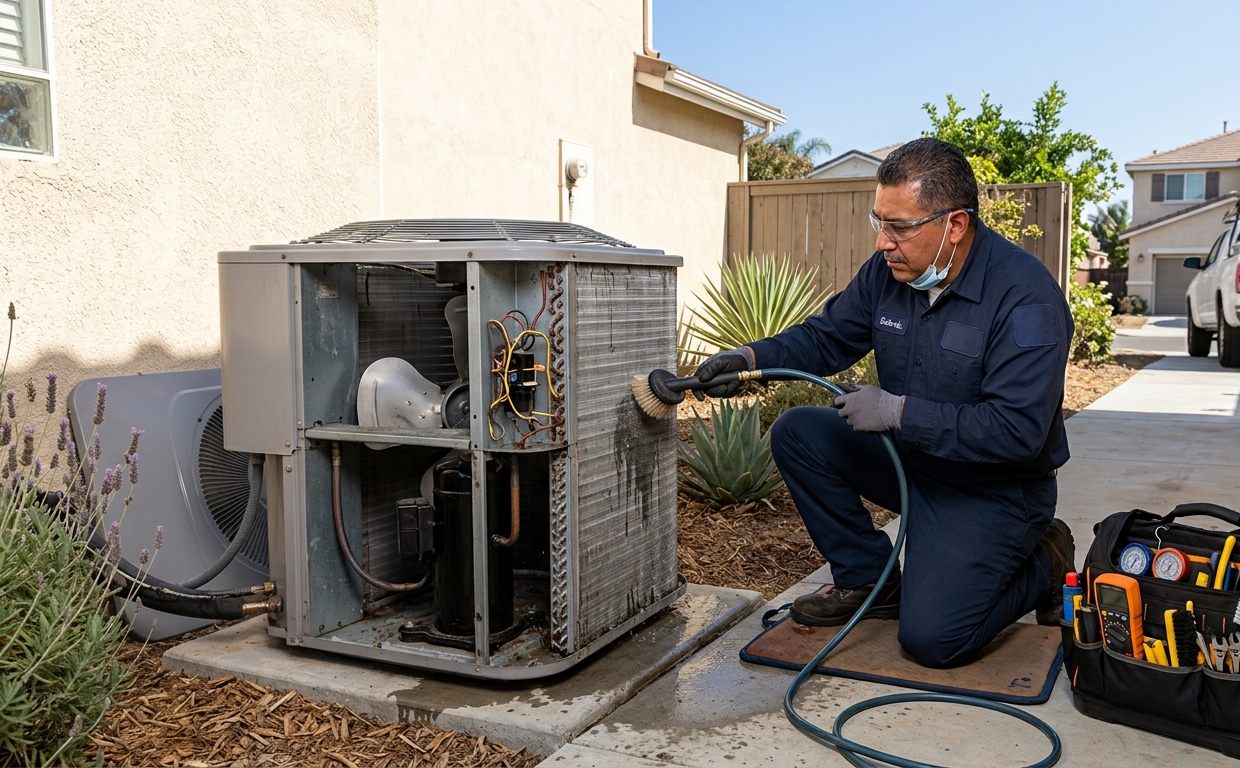
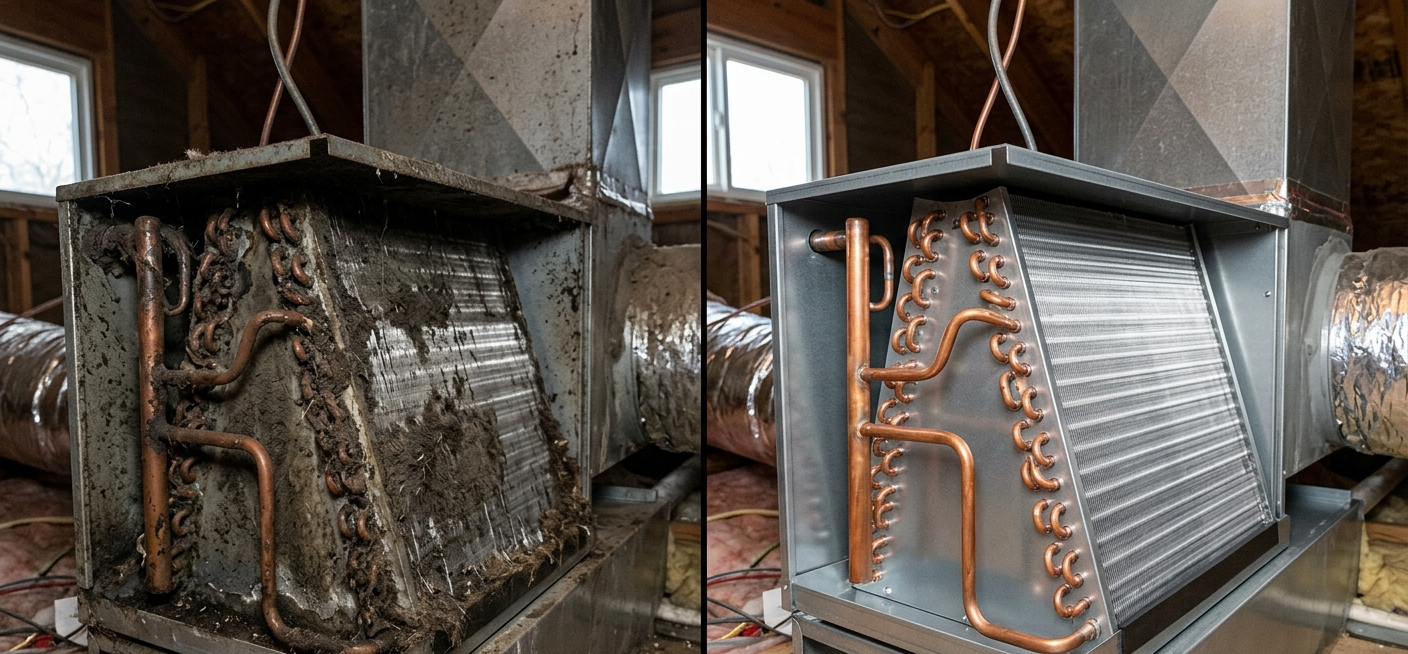
Regular maintenance plays a major role in extending system lifespan. Dirty filters, clogged coils, airflow restrictions, refrigerant issues, and neglected servicing can place additional stress on HVAC components and significantly shorten equipment life. A trusted HVAC replacement company should also help homeowners understand maintenance recommendations that support long term performance after installation.
Many homeowners are surprised by how much proper airflow and insulation affect HVAC longevity. Systems forced to run continuously because of poor insulation or duct leakage experience much greater operational strain. At N&C Air Conditioning & Heating, we often explain that HVAC efficiency depends not only on the equipment itself but also on how the home retains conditioned air and manages airflow throughout the property.
Why Indoor Air Quality Matters During HVAC Replacement
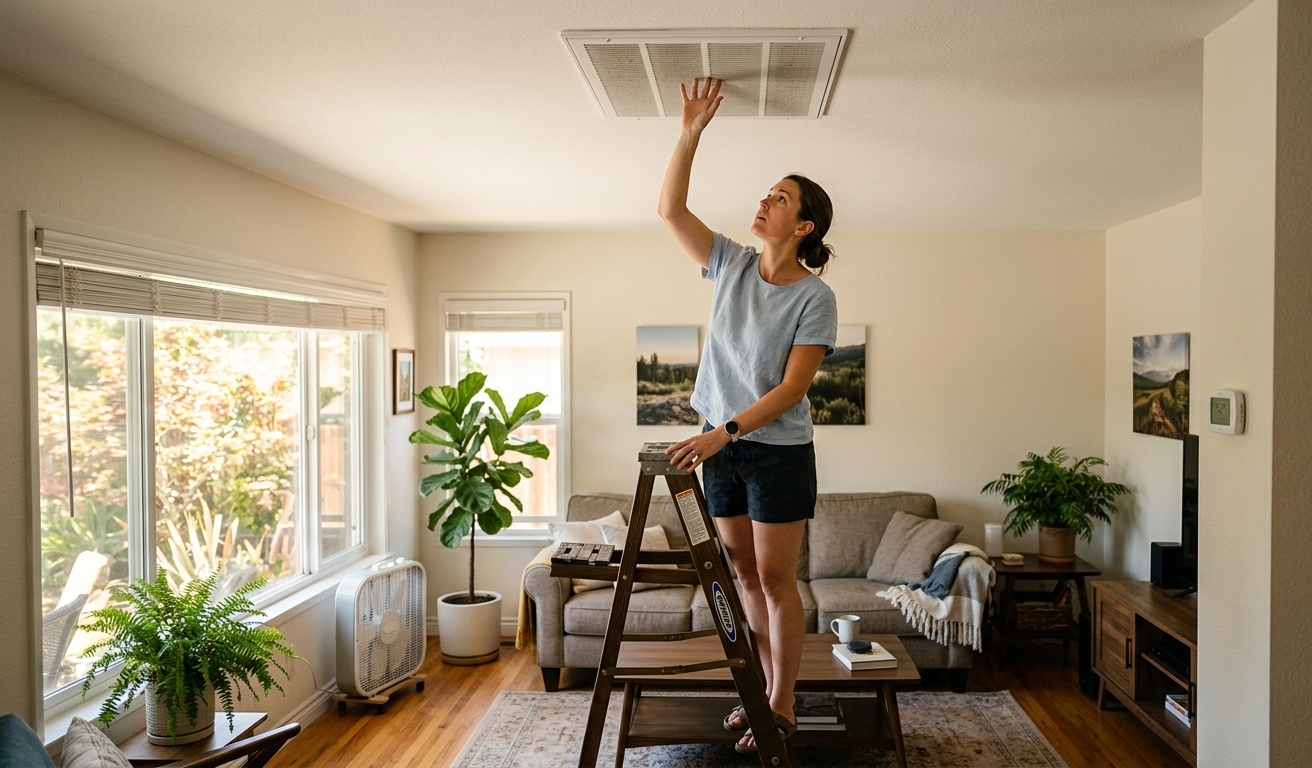
Many homeowners focus mainly on cooling performance when replacing HVAC equipment, but indoor air quality should also be part of the conversation. Older systems with dirty ductwork, poor filtration, or restricted airflow may contribute to dust buildup, allergies, humidity issues, and inconsistent air circulation. Homeowners frequently contact an HVAC replacement company after noticing worsening indoor comfort and respiratory irritation inside the home.
A properly designed HVAC system helps regulate humidity, improve airflow consistency, and support cleaner indoor air circulation. Modern filtration systems and improved airflow design may help reduce airborne dust and allergens while maintaining more balanced indoor temperatures. An experienced HVAC replacement company should evaluate indoor air quality concerns alongside heating and cooling performance during system planning.
At N&C Air Conditioning & Heating, we regularly explain that comfort involves more than temperature alone. Air quality, humidity control, and balanced airflow all contribute to a healthier, more comfortable home environment throughout the year.
Common Mistakes Homeowners Make During HVAC Replacement
One of the biggest mistakes homeowners make is focusing entirely on upfront installation cost without evaluating long term efficiency and installation quality. Hiring the cheapest HVAC replacement company may lead to poor sizing decisions, rushed installation practices, airflow problems, or reduced system lifespan later.
Another common mistake involves replacing equipment without addressing ductwork problems, insulation deficiencies, or airflow restrictions already affecting the home. Even a brand new system may struggle if conditioned air escapes continuously through leaking ducts or poorly insulated attic spaces. A professional HVAC replacement company should inspect the entire system carefully before finalizing equipment recommendations.
Some homeowners also delay replacement too long while continuing expensive repairs on aging systems with declining efficiency. We recently worked with a homeowner who spent thousands on repeated AC repairs over several summers before finally deciding to replace the system. Once the new installation was completed, energy usage improved noticeably and cooling performance became far more reliable during peak summer heat.
Additional Signs Your HVAC System May Be Failing
Several additional warning signs may indicate that a replacement evaluation is necessary. Homeowners should monitor for frequent cycling, uneven temperatures, rising humidity, strange odors, loud operation, warm air from vents, excessive dust, or thermostat inconsistencies. Families often contact an HVAC replacement company after these problems begin affecting daily comfort throughout the home.
In some situations, HVAC systems continue running but struggle silently for months or years before complete breakdown occurs. Gradually rising utility costs and declining cooling consistency often indicate deeper efficiency problems that should not be ignored. An experienced HVAC replacement company can evaluate whether repairs remain practical or whether replacement may provide stronger long term value.
At N&C Air Conditioning & Heating, we encourage homeowners to address warning signs early before emergency breakdowns occur during extreme weather conditions. Early evaluations often provide more flexibility for comparing systems, planning installation schedules, and improving long term home comfort. You’ll find useful guidance in
Is AC Service Necessary Every Year? Here’s What Homeowners Should Know.
How Proper HVAC Replacement Supports Long Term Efficiency
A properly installed HVAC system helps improve energy efficiency, reduce unnecessary operational strain, and support more stable indoor temperatures throughout the home. Modern systems often operate more efficiently than older equipment while providing better humidity control and airflow management. Homeowners working with a qualified HVAC replacement company frequently notice lower utility bills and quieter operation shortly after installation.
Improved efficiency also reduces wear on HVAC components because systems no longer need to run continuously just to maintain comfortable temperatures. Proper airflow balancing and system sizing help cooling equipment cycle more effectively during heavy summer demand. A professional HVAC replacement company should evaluate insulation levels, ductwork performance, and ventilation conditions to maximize long term efficiency gains.
At N&C Air Conditioning & Heating, we believe homeowners benefit most when replacement decisions focus on total home comfort rather than equipment alone. A well designed HVAC system helps create healthier airflow, stronger efficiency, and more reliable cooling performance throughout every season.
Conclusion
Replacing an HVAC system is a major decision that affects comfort, energy costs, airflow quality, and long term home performance. Many homeowners wait until breakdowns become unavoidable before considering replacement, but early evaluations often help identify efficiency problems before repairs become overwhelming or cooling reliability declines further.
Choosing the right HVAC replacement company is critical because installation quality, system sizing, airflow management, and energy efficiency planning all influence long term performance. A properly installed HVAC system improves indoor comfort, lowers operating costs, and reduces unnecessary strain on equipment throughout the year.
At N&C Air Conditioning & Heating, we understand how important reliable heating and cooling are for maintaining a comfortable home environment. If your system struggles with rising utility bills, weak airflow, or inconsistent temperatures,
contact us today to learn more about professional HVAC replacement solutions designed to improve comfort, efficiency, and long term performance.
Follow our social media pages below:
Ready to work with N&C Heating and Air LLC?
Let's connect! We’re here to help.
Send us a message and we’ll be in touch.
Or give us a call today at (209) 769-8843
Agency Contact Form
More Marketing Tips, Tricks & Tools