Top Signs You Need HVAC Replacement Before It Fails
Most HVAC systems do not fail in a dramatic or obvious way. Instead, they tend to send quiet warning signs long before they stop working completely. A little extra noise. A noticeable rise in energy bills. A home that never quite feels as comfortable as it once did. At N&C Air Conditioning & Heating, we hear this story often, usually followed by the same phrase: “It was working fine, until it wasn’t.”
The challenge is that waiting for total failure almost always leads to higher costs and fewer options. Emergency service calls during extreme weather are more expensive, replacement timelines are rushed, and homeowners are often forced into decisions they did not have time to fully consider. Stress replaces strategy, and budget control disappears quickly.
Planning ahead changes everything. When homeowners recognize the warning signs early, they gain control over timing, system options, and overall cost. If you are researching an HVAC Replacement Company, you are likely trying to understand whether your system truly needs replacement or if a repair will still make sense. Knowing what to look for before failure allows you to make that decision with clarity rather than urgency.
How To Know If Your HVAC Needs To Be Replaced
An HVAC system typically needs replacement when it shows ongoing performance issues, rising energy costs, and frequent repairs, especially once it reaches 10 to 15 years of age. Common warning signs include uneven temperatures throughout the home, unusual noises, weak airflow, and declining comfort even with regular maintenance. When repairs become more frequent or costly, replacement is often more economical than continuing to fix an aging system.
As HVAC systems age, efficiency declines. Older units require more energy to deliver less comfort, which shows up as higher monthly utility bills and increased wear on internal components. Systems that cycle frequently, struggle to maintain temperature, or rely on outdated technology are often approaching the end of their usable life.
Replacing an HVAC system before complete failure allows homeowners to plan ahead, compare options, and work with a trusted HVAC Replacement Company on their terms. Proactive replacement reduces emergency costs, improves comfort, and ensures reliable performance throughout the year.
How To Know If HVAC Needs To Be Replaced?
One of the most reliable indicators that an HVAC system needs replacement is age paired with declining performance. While strong maintenance can extend system life, most residential HVAC systems are designed to last between 10 and 15 years. Over time, internal components wear down even if the system still turns on.
Many homeowners first notice comfort issues. Some rooms may feel warmer or colder than others, even when the thermostat is set correctly. This uneven performance often means the system can no longer distribute air effectively. Unusual noises such as rattling, grinding, or loud humming are also warning signs that internal parts are struggling.
Another red flag is the frequency of repairs. If you find yourself calling for service multiple times a year, the cumulative cost can quickly approach the price of replacement. This is often when homeowners start comparing services and getting quotes from an HVAC Replacement Company, realizing that repair after repair no longer makes financial sense.
At N&C Air Conditioning & Heating, we help homeowners evaluate whether repair or replacement is the better long-term solution by looking at system condition, repair history, energy use, and comfort goals rather than pushing a one-size-fits-all answer.
What Is The Most Common Part To Fail On HVAC?
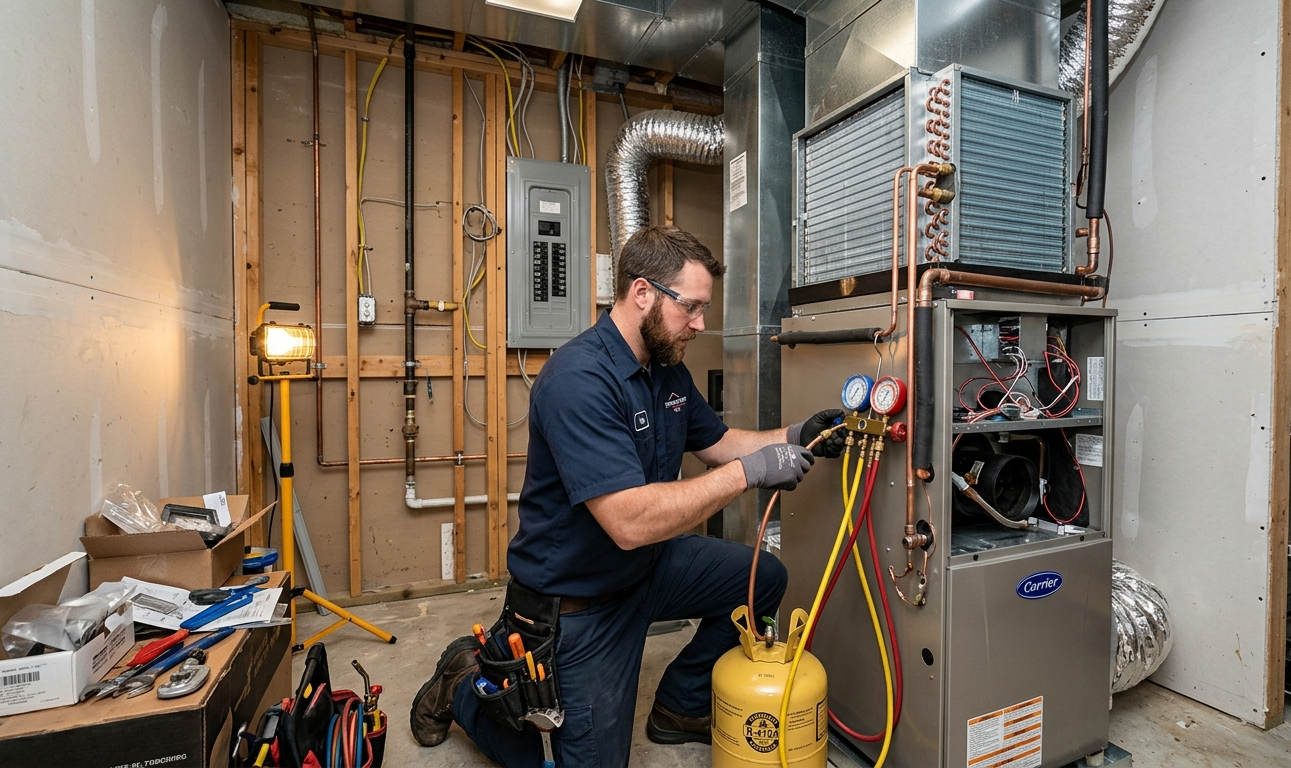
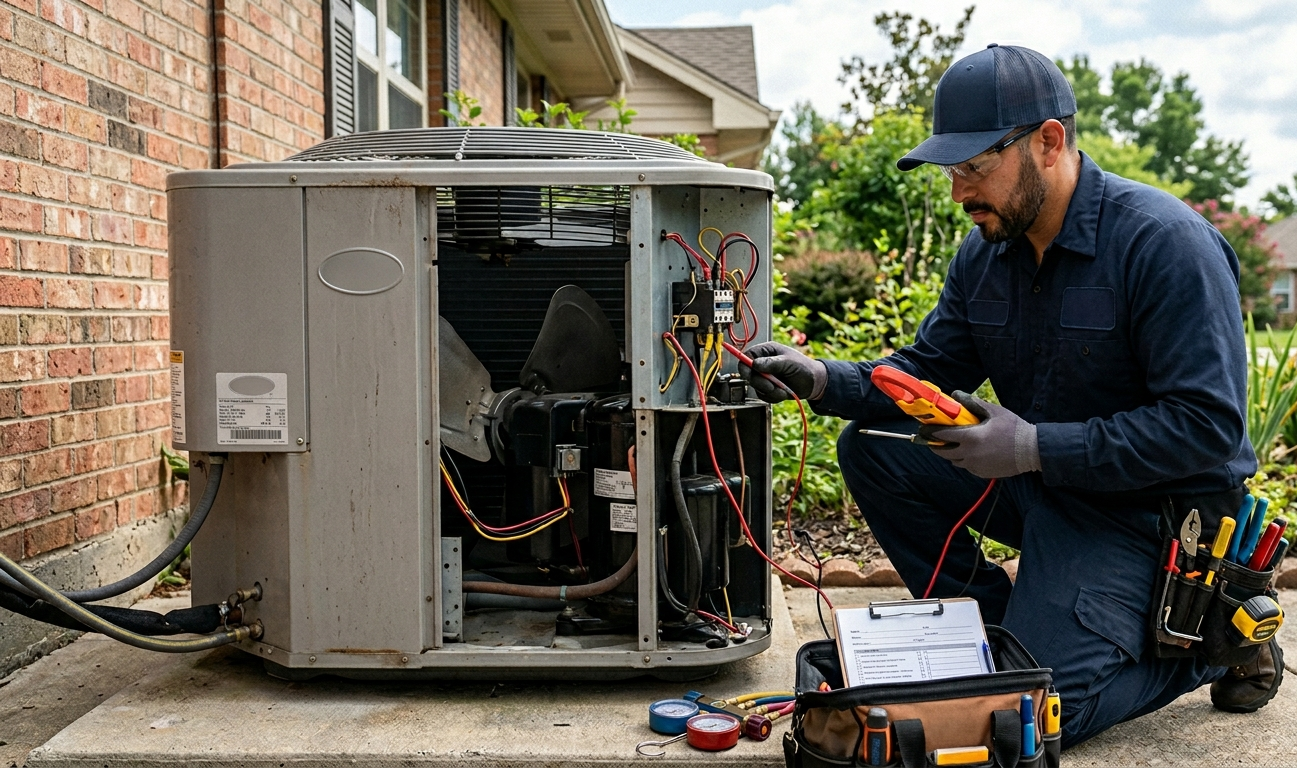
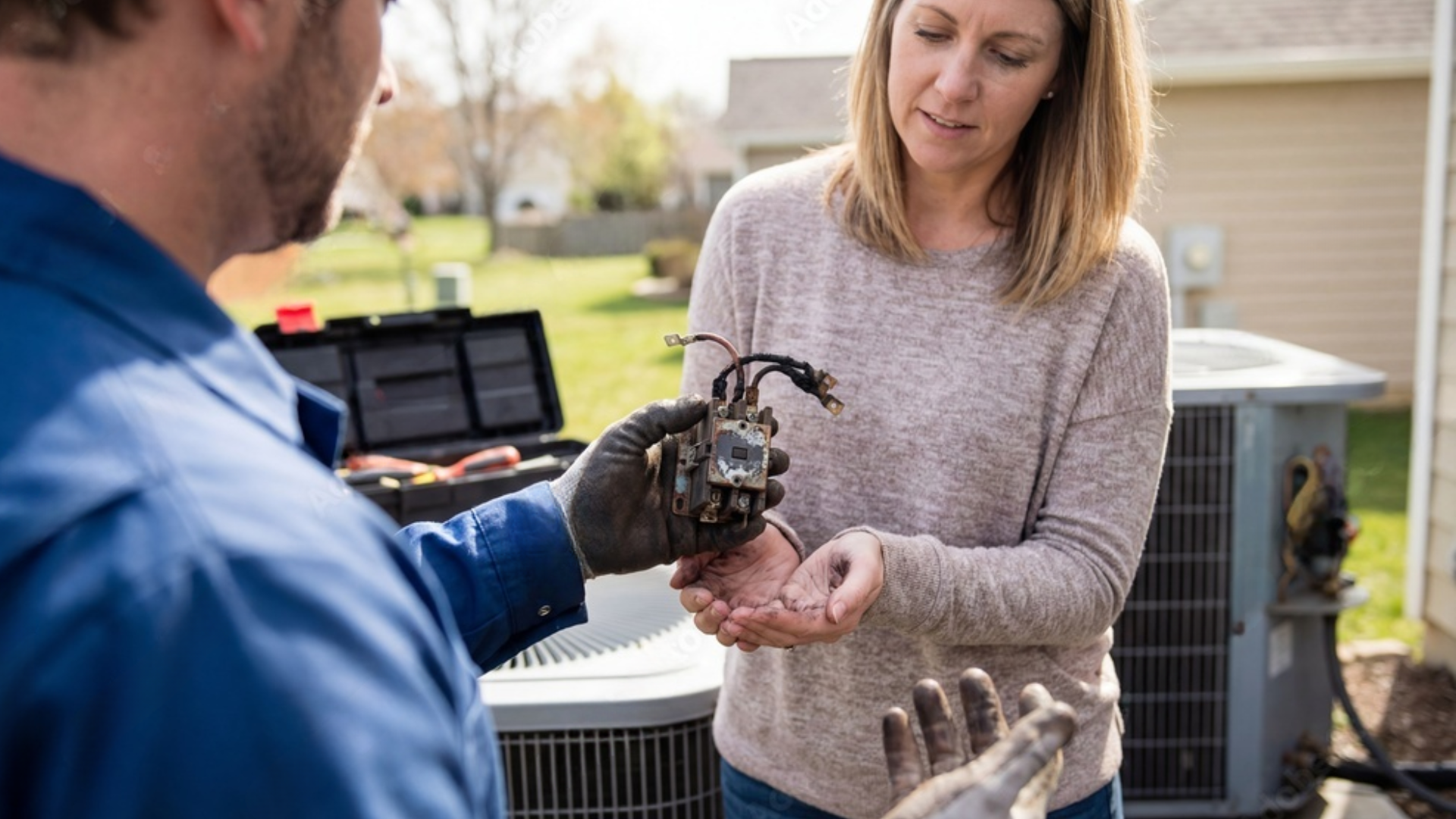
As HVAC systems age, certain components tend to fail more frequently. Capacitors, contactors, and motors often wear out first because they handle electrical loads and repeated cycling. While these parts can sometimes be replaced individually, repeated failures often indicate deeper system stress.
Compressors are another major concern. The compressor is one of the most expensive components in an HVAC system. When it fails, especially in older units, replacement costs are high. In many cases, homeowners find that replacing the entire system through a qualified HVAC Replacement Company is more practical than investing heavily in a single repair.
Refrigerant leaks also become more common in aging systems. Older systems may use refrigerants that are now regulated or discontinued, which increases repair cost and complexity. According to the U.S. Department of Energy, older HVAC systems are significantly less efficient and more prone to breakdowns as components wear over time.
Understanding which parts commonly fail helps homeowners recognize when repairs are no longer the best path forward. At N&C Air Conditioning & Heating, we assess the full system rather than focusing on a single failed part, which leads to more accurate and cost-effective recommendations.
Should I Replace HVAC Before It Fails?
In many situations, replacing an HVAC system before it fails completely is the smarter financial decision. Waiting until failure often means emergency service, limited system availability, and higher labor costs. Planned replacement gives homeowners time to evaluate options and schedule installation at a convenient time.
Replacing early also helps prevent secondary damage. A failing HVAC system can strain ductwork, electrical components, and even impact indoor air quality. Proactive replacement reduces these risks and helps maintain a healthier indoor environment.
Another major benefit is improved efficiency. New HVAC systems are designed to meet modern energy standards, which can significantly reduce monthly utility bills. Homeowners who replace before failure often notice quieter operation, more consistent temperatures, and lower energy usage almost immediately.
As an experienced HVAC Replacement Company, N&C Air Conditioning & Heating helps homeowners plan replacements strategically instead of reacting to emergencies. This approach reduces stress, improves comfort, and protects long-term budgets.
HVAC Replacement And Home Comfort
Climate plays a major role in HVAC performance and system lifespan. In regions with extreme heat or cold, HVAC systems work harder and wear out faster. We often see homeowners push systems beyond their limits, hoping to get one more season out of them, only to experience breakdowns during peak demand.
When replacement is planned ahead of time, homeowners gain flexibility. They can compare energy-efficient systems, review warranties, and choose equipment that better matches their home’s size, layout, and usage patterns. Working with a knowledgeable HVAC Replacement Company during this planning phase leads to better long-term outcomes.
At N&C Air Conditioning & Heating, our local experience allows us to guide homeowners through replacement decisions with clarity and transparency. We focus on long-term performance, not short-term fixes, so new systems deliver reliable comfort for years to come.
Conclusion
HVAC systems rarely fail without warning. Rising energy bills, frequent repairs, uneven temperatures, unusual noises, and aging equipment all point to a system nearing the end of its useful life. Ignoring these signs often leads to emergency replacements that cost more and offer fewer choices.
Replacing your HVAC system before failure gives you control. You can plan ahead, work with a trusted HVAC Replacement Company, and choose a system that improves comfort, efficiency, and reliability. Recognizing the signs early is the key to avoiding stress, surprise costs, and uncomfortable downtime.
For homeowners who value long-term savings and peace of mind, proactive replacement is often the smartest move. Contact us today to discuss your options and find out whether repair or replacement makes the most sense for your home and budget.
Follow our social media pages below:
Ready to work with N&C Heating and Air LLC?
Let's connect! We’re here to help.
Send us a message and we’ll be in touch.
Or give us a call today at (209) 769-8843
Agency Contact Form
More Marketing Tips, Tricks & Tools